Preserving Appalachia, One Bow Tie at a Time
“Special Collections and Archives is here to remind Berea College what it’s about; to remind it of its roots and its founding vision and to keep us on track,” said Tim Binkley, Berea’s head of Special Collections and Archives (SCA). In a very real way, that’s exactly what SCA is—Berea’s institutional memory. And not just the College’s memory, but the collected remembrance of the entire town and surrounding Appalachian region.
Special Collections and Archives is a department of Hutchins Library, and its work falls into two main categories. The first is Special Collections, which preserves old and rare books, out-of-print publications that are hard to find, and other precious materials. Thousands of rare and important works are housed there.
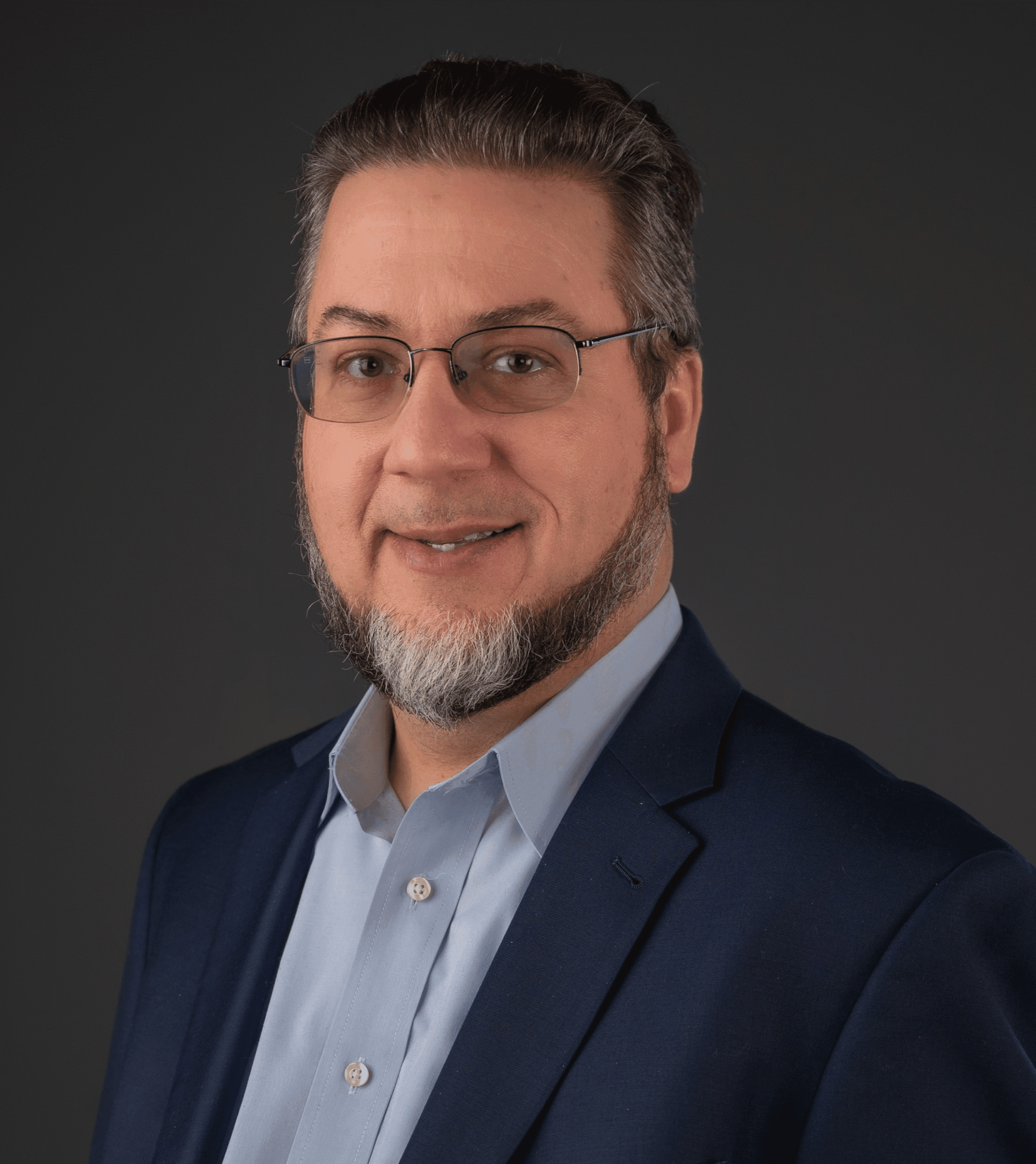
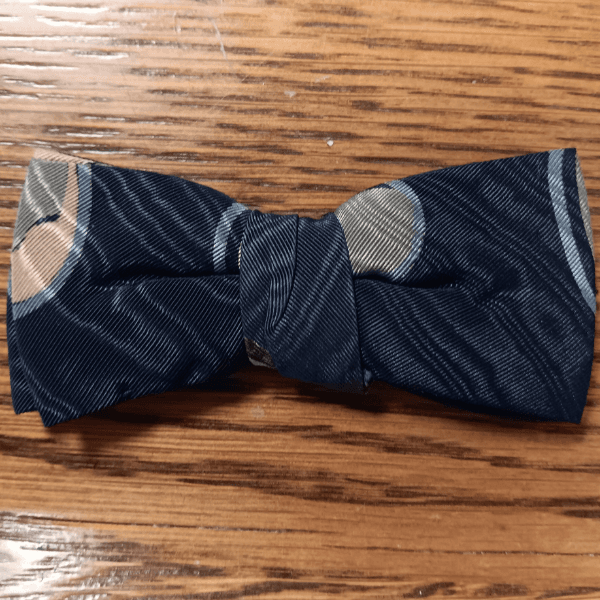
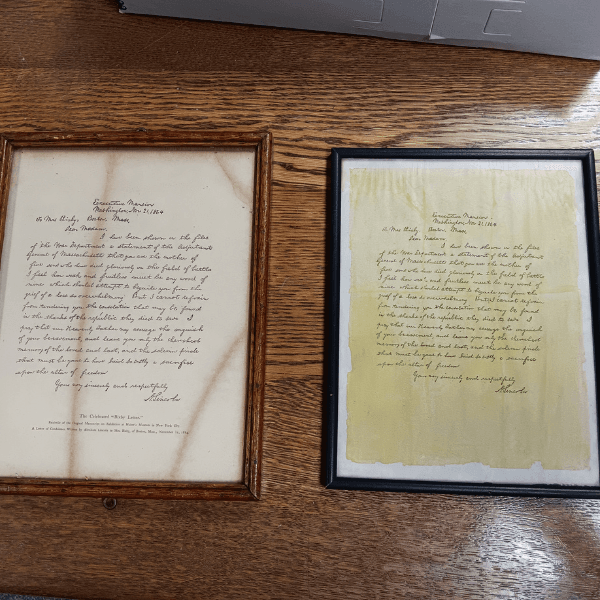
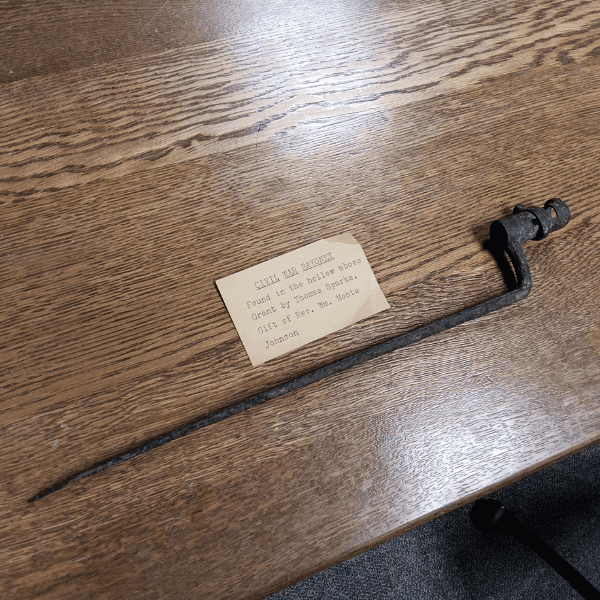
And beyond this vast trove of local and regional knowledge, Special Collections also houses a lot of other things—for instance, a large assortment of books and artifacts related to Abraham Lincoln. The Lincoln Collection includes a Civil War bayonet, many different Lincoln likenesses, facsimiles of letters written by the president to the families of fallen soldiers, and even a bowtie said to have been worn by Lincoln on the night he died.
The second half of SCA is the Archives, “These are the gathered historical records of individuals and families and organizations, including the College, people who have lived and worked in the Berea area or throughout Appalachia,” Binkley explained. Maintaining these archives is about preserving the stories of Appalachian people. “We want to collect that information from them and their families so that there is a place of memory where we can go back and explore what we’ve forgotten about the past.”
Berea’s Special Collections and Archives are a nationally regarded resource in the field of Appalachian Studies. “If you’re researching anything to do with Appalachian culture and history, we’re on your radar,” said Binkley. But that’s far from the only reason researchers come to Berea. Many other items in SCA are also a big draw for visitors—things like the late bell hooks’ papers. “We get outside researchers almost every day,” he said. “I’ve worked at two archives before this, and they have never had the kind of visitation that Berea College Special Collections and Archives does. This is an extraordinary place.”
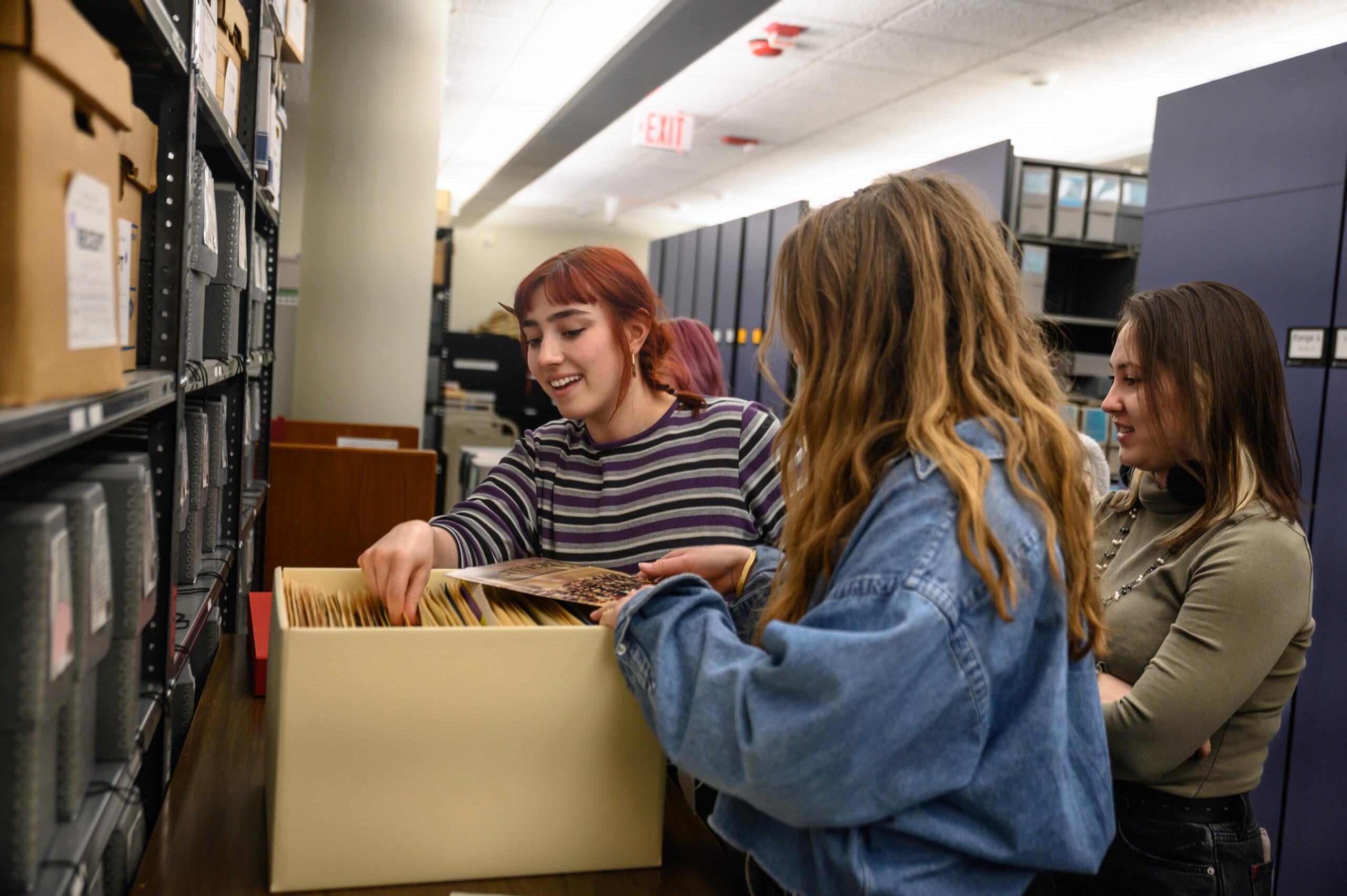
SCA also plays a vital role in classes at Berea. “SCA assists professors by leading course-related instructional sessions,” Binkley explained. “Students meet our staff, learn about our holdings, and get experience conducting archival research.” Almost 400 students participate every year. They also get the chance in these sessions to tour the repository and see items up close in the reading room. “By walking through the stacks, students get a sense of the enormity and complexity of the collections,” he said.
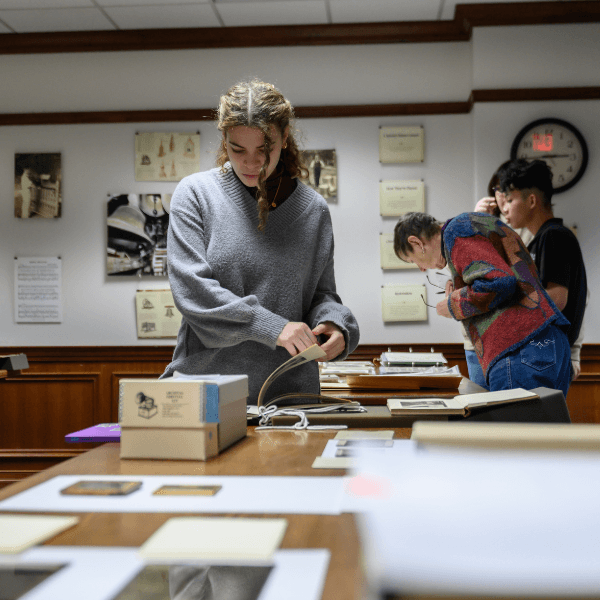
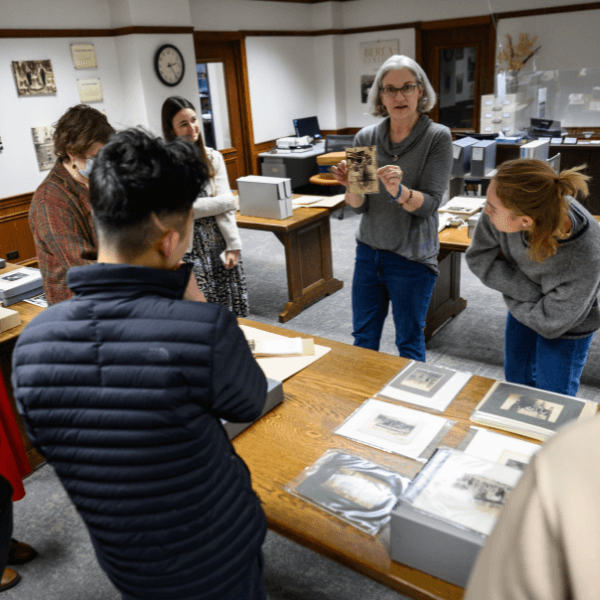
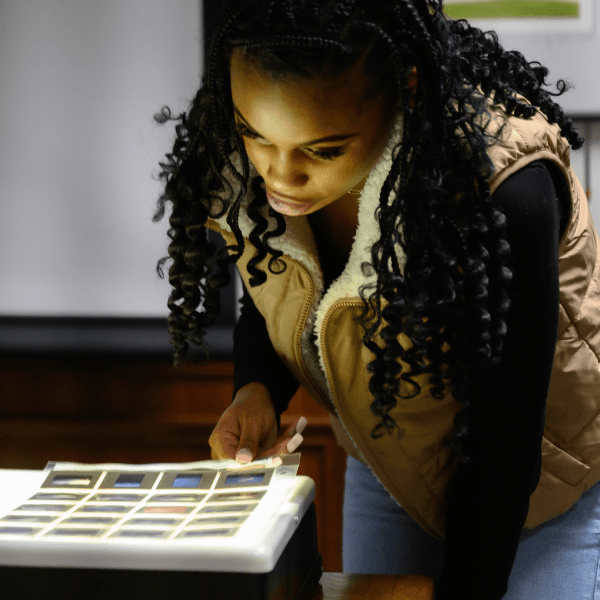
Storage for Special Collections and Archives takes up 2,800 cubic feet of boxes, with over 3 million documents in total. When people donate new material, the first job of SCA staff is to organize and catalogue it so that researchers can find what they’re looking for. “We try to impose order on the chaos, which is an exciting thing to do,” said Binkley. “And while you’re doing this, the collection teaches you. It teaches you about the person, or the family, or the organization.” Preservation is also a key task. SCA staff carefully store papers and photos in acid-free boxes and folders that will preserve them for hundreds of years to come.
Like most other departments on campus, SCA has students who work there for their labor position. For Lauren ’26, the job of Archives Assistant fits perfectly with her studies. “As a history major, I wanted to work in a position where I regularly interact with the past,” she explained. Lauren’s work in the Archives also gives her the special opportunity to get experience curating artifacts. “I worked with the Janis Ian Breaking Silence exhibit and other smaller curatorial displays,” said Lauren. “One of the most memorable experiences I’ve had was working with the Lincoln collection. Mr. Binkley offered me the opportunity to help select and curate artifacts and documents to display.”
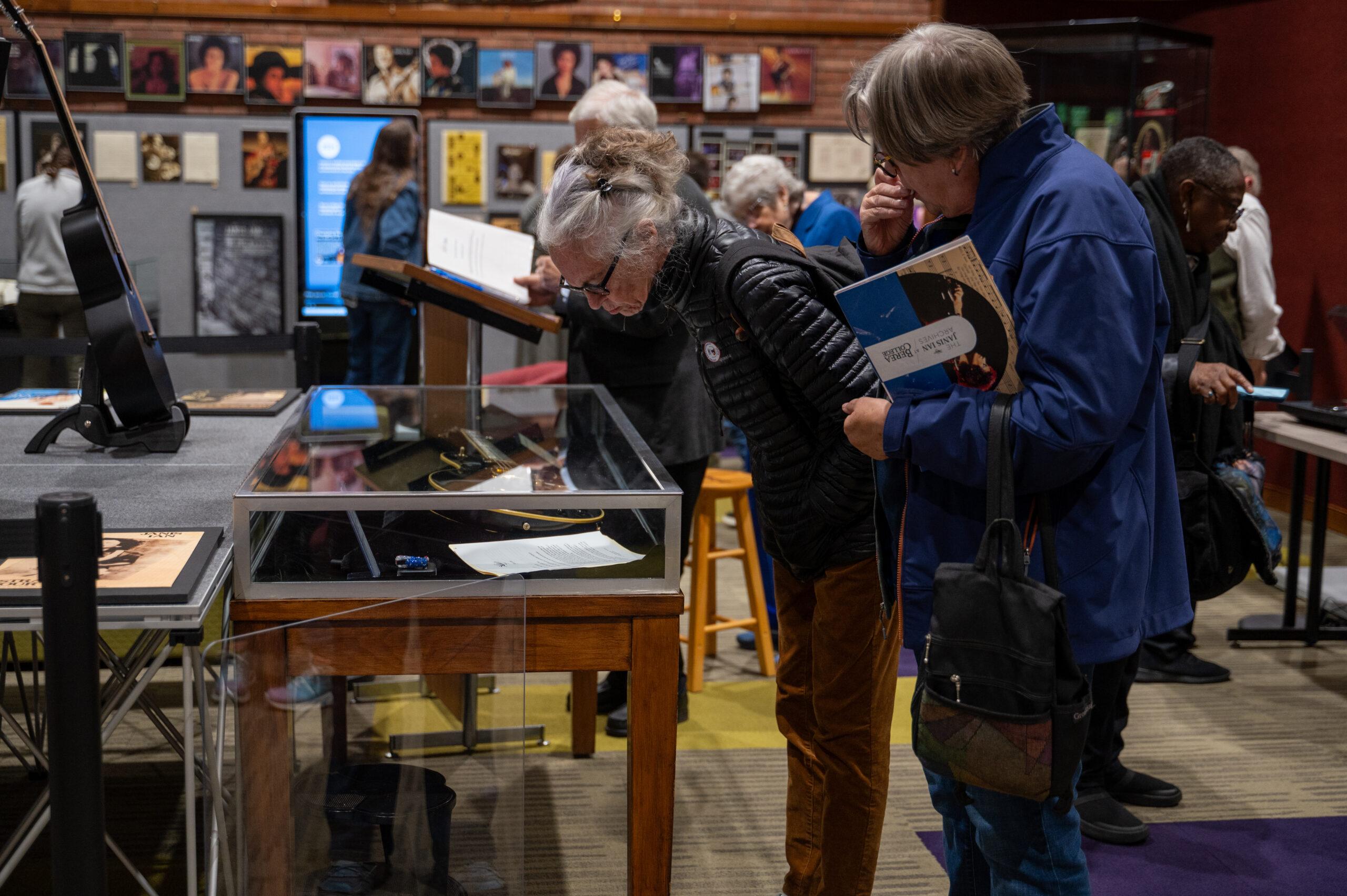
Chloe ’26 also finds it deeply rewarding to curate exhibits. “I want to work in a museum one day,” she said. “My favorite experience has been curating archival displays for the display cabinet in the Special Collections lobby.” Chloe’s favorite items in the Archives are the China Signature Books, from the papers of former Berea College first lady Dr. Louise Gilman Hutchins. Hutchins earned her MD from Yale in 1936, right before moving to China with her husband, Francis Hutchins. In China, she specialized in pediatrics and provided medical care for refugee children. When they came back to the U.S., Francis accepted the Berea College presidency. During her time in Berea, Dr. Hutchins also served as the town of Berea’s only pediatrician until 1967.
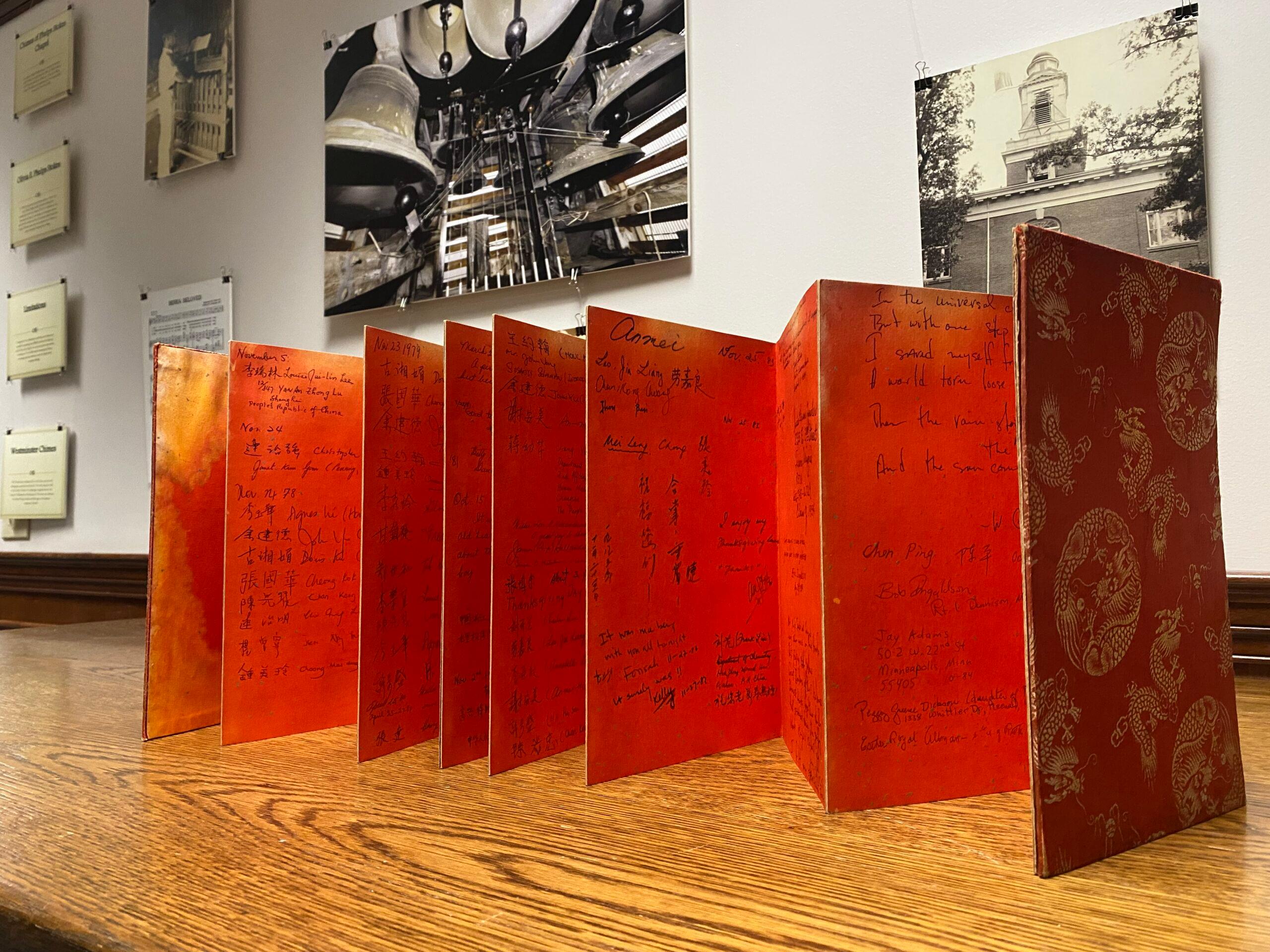
Chloe loves the Hutchins’ China Signature Books because they make the past feel real. “These books contain addresses and names of people the Hutchinses visited in China and hosted at their home in the United States,” she explained. “The books also contain messages from the friends of the Hutchins family.” These notes are in English, Chinese, and many other different languages. The books are also constructed in the traditional Chinese way—folded rather than bound. “I enjoy looking through them,” said Chloe. “It gives me a small glimpse into the life of the Hutchinses.”
As a place of memory, that’s what Berea’s Special Collections and Archives are for: to give us small glimpses into the lives of those who came before us—at this College, in this town, and across this region. “We try to be faithful stewards of primary resource materials, those items from people who actually were a part of something in the past,” Binkley mused. “I love to build bridges of understanding between the past and the present.”
Your generosity makes resources like the Special Collections and Archives possible.