Connecting Campus and Community
Appalachia is a culturally diverse place with a strong legacy of craft and creativity. For over a century, Berea College has done its part to help maintain these traditions through Student Craft, the Loyal Jones Appalachian Center, Special Collections and Archives, and more. Now, Berea’s Folklife Apprenticeship Program, initially supported by South Arts, is the College’s latest effort to sustain and promote the many cultures that make Appalachia their home.
To keep knowledge of Appalachian folkways from being lost, the skills and practices that are vital to these traditions need to be handed down to the next generation. Direct person-to-person learning is one very important—and very traditional—way of passing on these skills. Berea’s Folklife Apprenticeship Program helps Appalachia’s tradition bearers share their knowledge and expertise by connecting them with young people who are eager to learn.
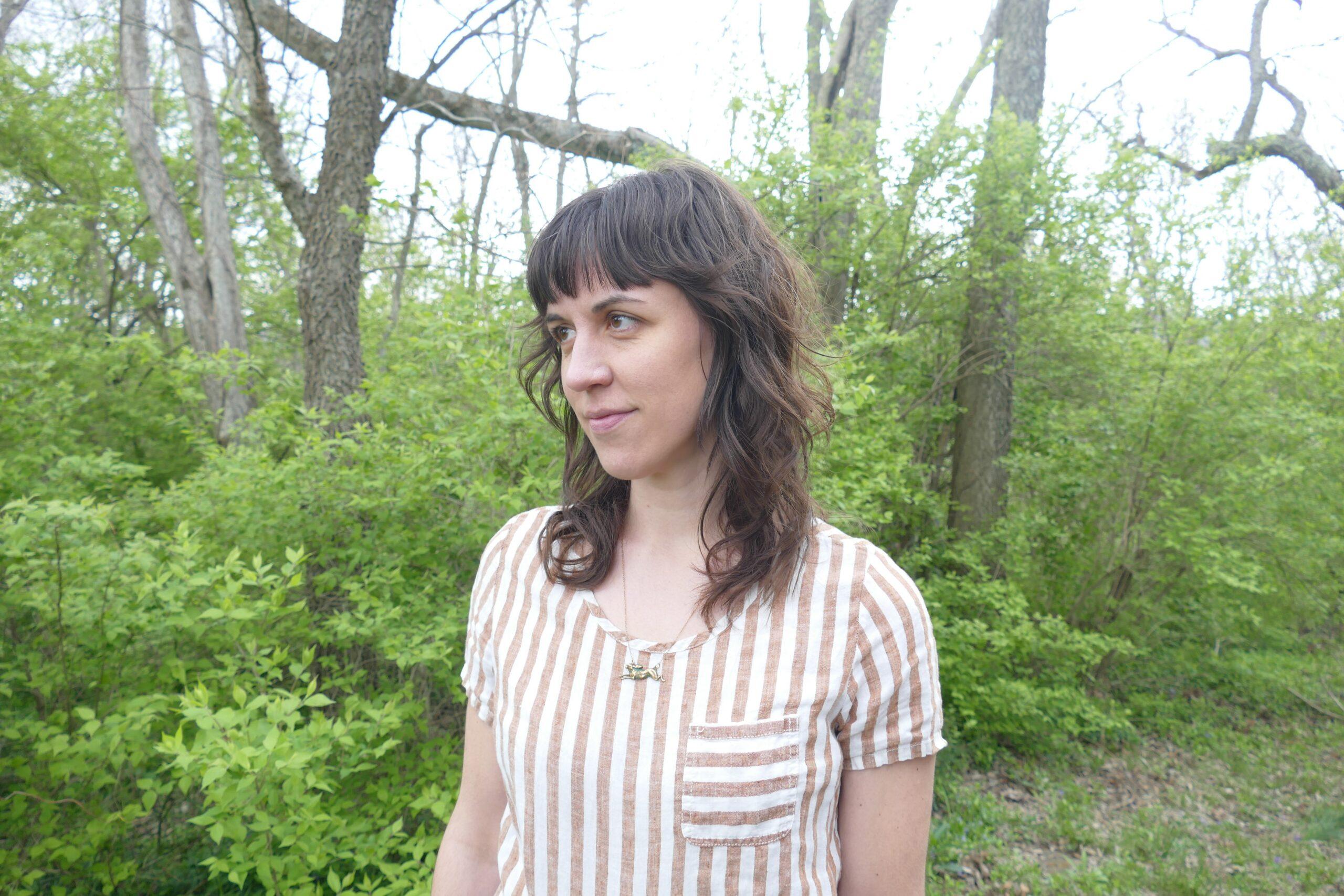
Berea’s own folklorist, Emily Hilliard, knows that apprenticeship programs are one of the best ways to help Appalachia’s folklore and folklife custodians pass on their expertise. Before coming to Berea, she served as West Virginia’s state folklorist, where she ran a statewide apprenticeship program. “Most state folklife programs have an apprenticeship program because they’re so effective at ensuring that these cultural traditions are passed on to the next generation,” she said. “When I came to Berea, I thought that this might be a great model to apply in the Berea College context.”
The College’s Folklife Apprenticeship Program pairs Berea students with Appalachian artists, both those local to the area and from across the region. “Students apply to work with a mentor artist for the semester,” Hilliard explained. “In the past, we’ve had apprenticeships in blacksmithing, storytelling, weaving, luthiery, herbalism and foraging, banjo, Ballet Folklorico, and contra dancing. This summer, we have apprenticeships in glassblowing, ceramics, storytelling, and West African drumming.” The amazing variety of cultural traditions found in Appalachia is one of the things that makes it such a special place.
Berea students who participate are more than just apprentices, though—they’re also folklorists-in-training. Before their apprenticeship even starts, Hilliard teaches them how to document their experience and provides them with an audio recorder, microphone, camera, and other tools of the trade. “Students are charged with documenting their apprenticeship, whether through video, photos, recordings, or a journal tracking their progress,” said Hilliard. Student apprentices also attend a class once a week, where they can share experiences with their peers and through which Hilliard helps them situate what they’re learning in an academic context, rooted in the discipline of folklore.
Over the course of the semester, Hilliard also visits each artist-apprentice pair herself for a fieldwork interview. “Those interviews go into Special Collections and Archives at Hutchins Library to document both their apprenticeship experience and also the mentor artist’s work, skills, and techniques,” she explained. Already a nationally recognized resource on Appalachia and its cultures, Hutchins Library’s Special Collections and Archives becomes an even more impressive trove of regional knowledge with every new apprenticeship that gets documented.
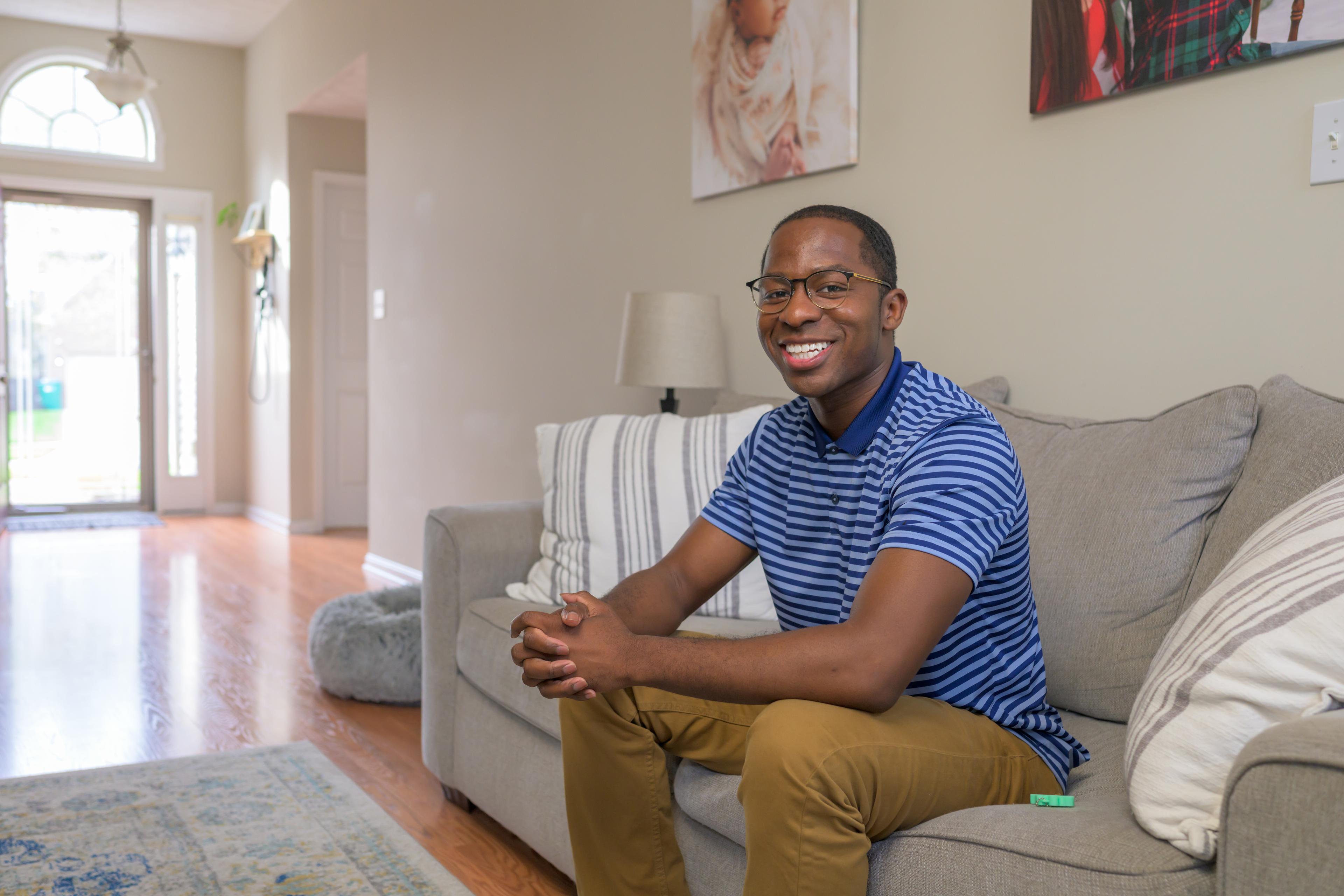
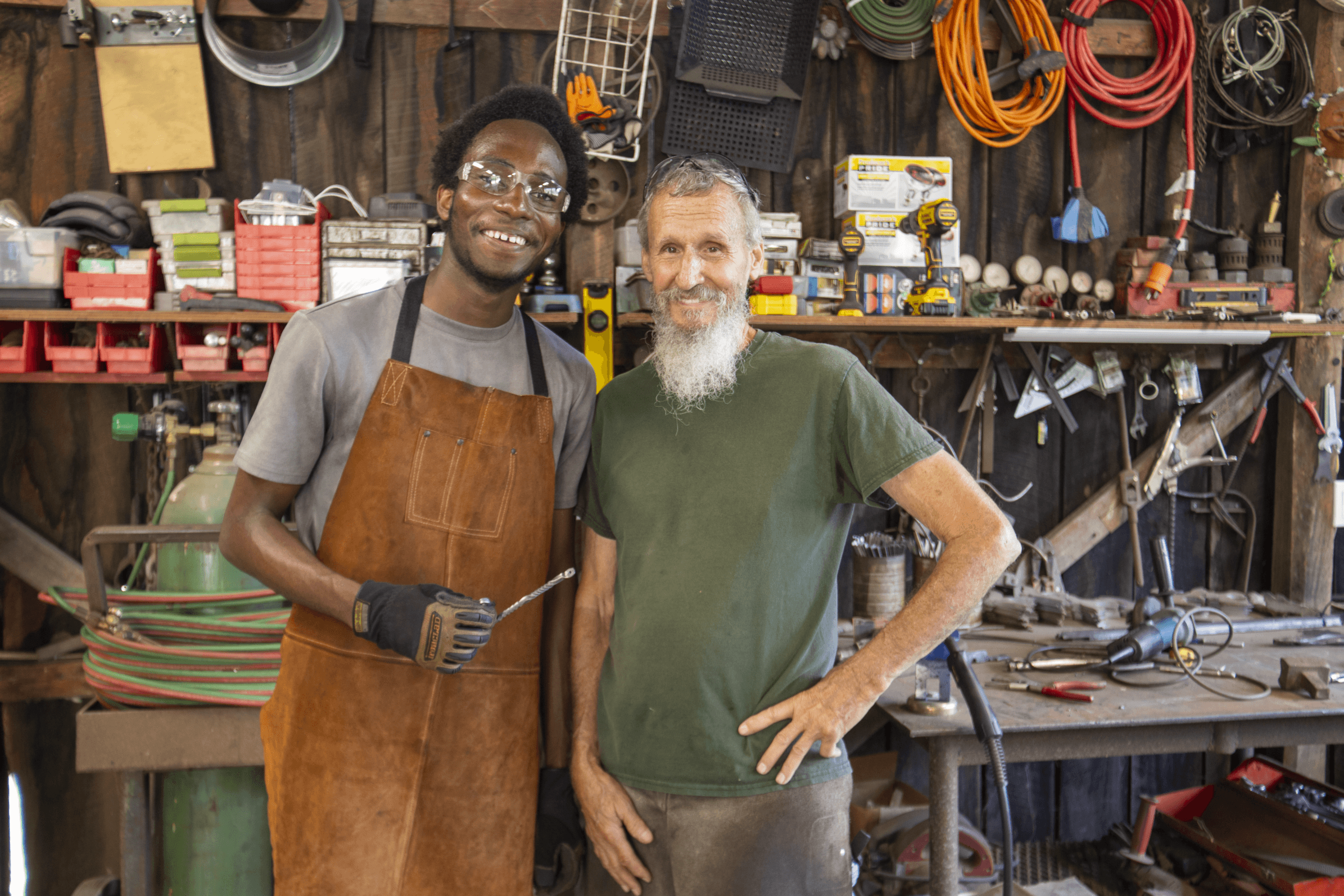
For some students, like Michael ’28, the skills they learn during their apprenticeship are directly related to their studies and career plans. For his apprenticeship, Michael learned from Kentucky blacksmith and Berea alumnus Bob Montgomery ’71. As an engineering physics major, this gave Michael the chance for hands-on experience with concepts from physics that he was learning in his classes. “Blacksmithing allowed me to see material behavior firsthand, from how steel changes under heat and force to how it loses its magnetism near the Curie point,” he recalled.
What Michael found most meaningful in his apprenticeship experience was the chance to learn about the precise timing, heat, and force that blacksmithing requires. “What I learned helped me connect what I study in physics to a real material process,” Michael explained. “The apprenticeship also helped me connect Appalachian blacksmithing with my own cultural background, my Nigerian/Yoruba heritage and the longer history of ironworking.”
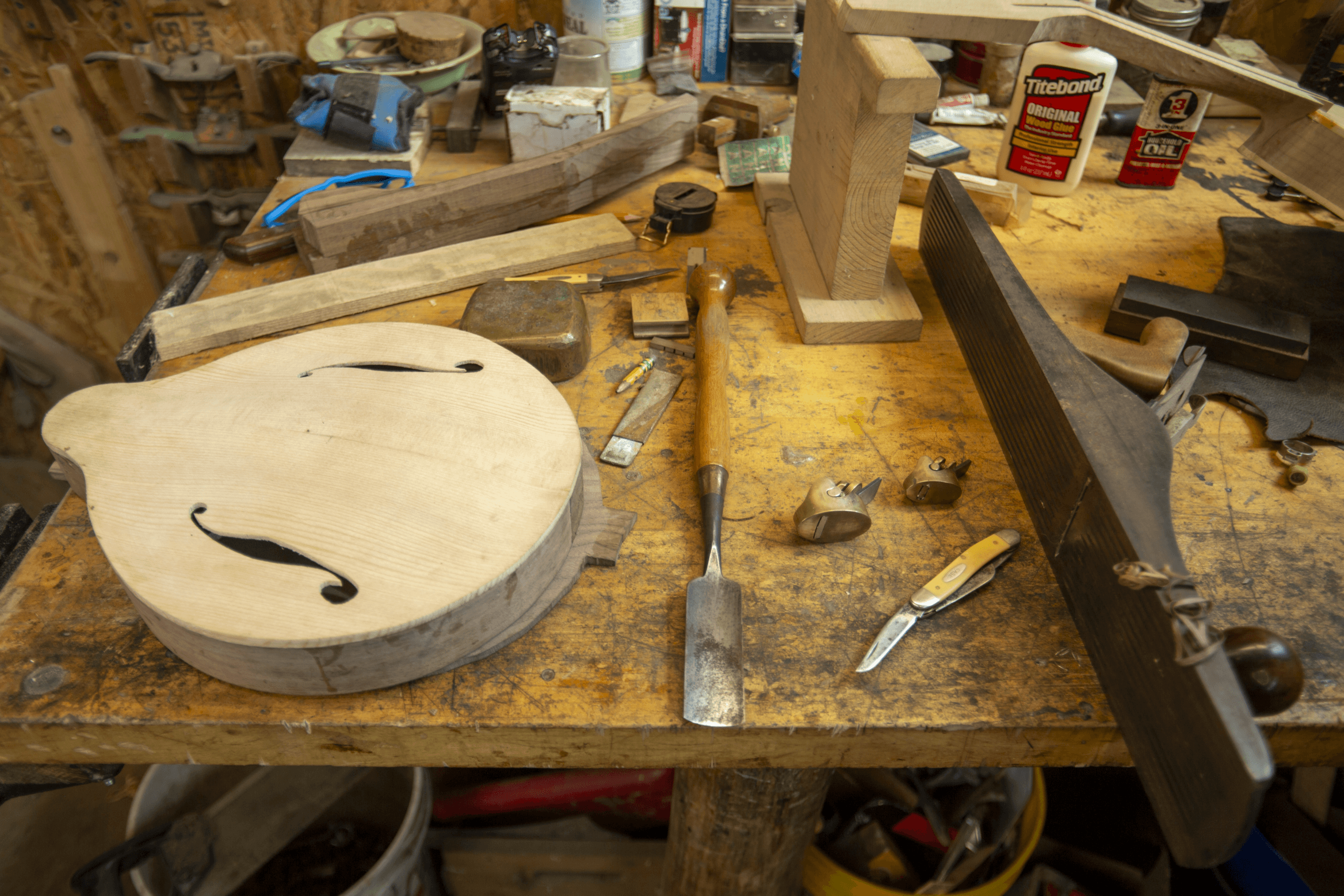
Another apprentice, lifelong musician Jacob ’28, used what he learned to bring a new level of authenticity to Appalachian music at Berea. Jacob, who apprenticed with master mandolin-maker and Berea College alumnus Will Parsons ’92, now plays the mandolin he made himself in Berea’s Bluegrass Ensemble. Built with his own hands from local Kentucky wood, the music this mandolin makes is a testament to how regional folklife traditions enrich life at Berea for its students.
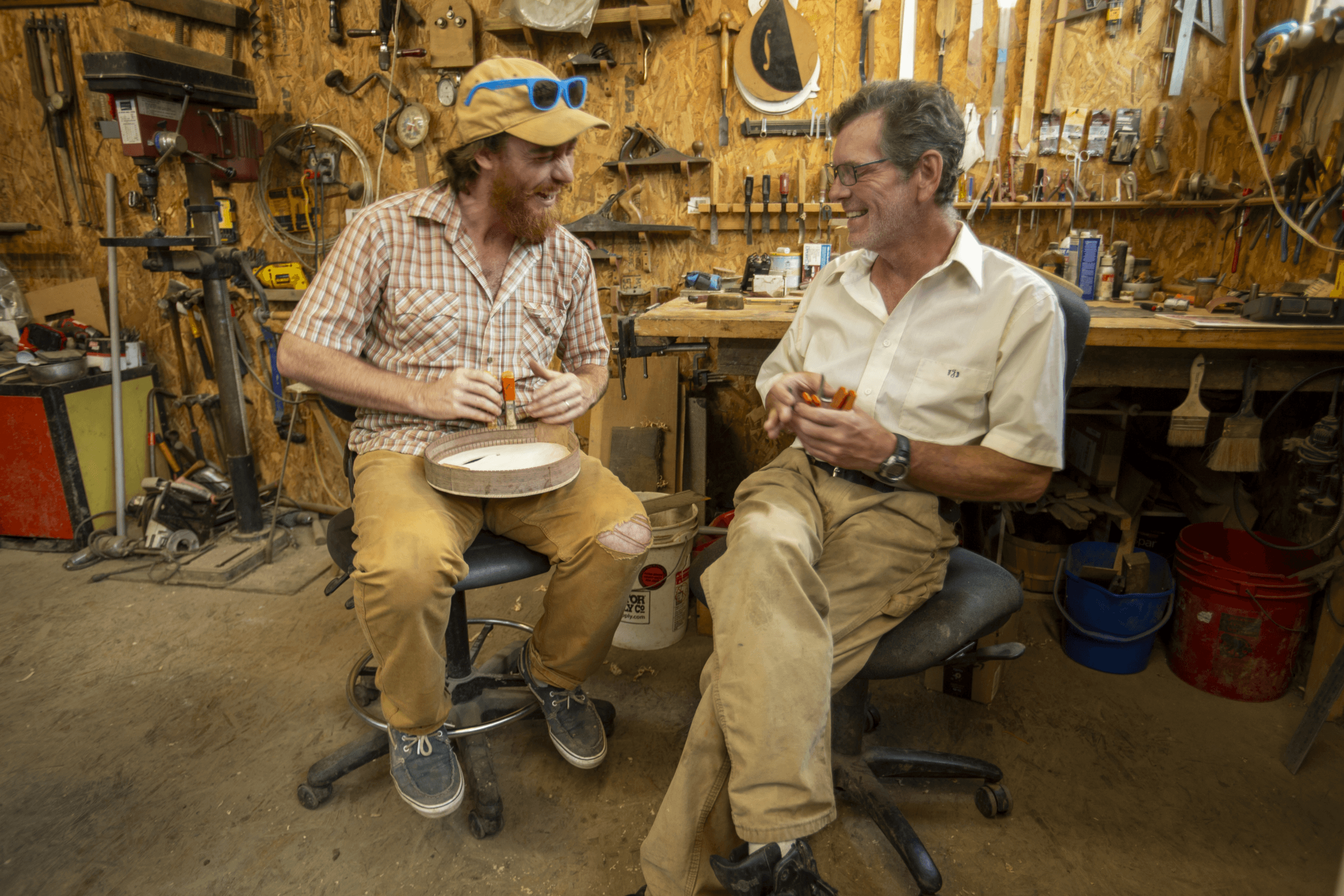
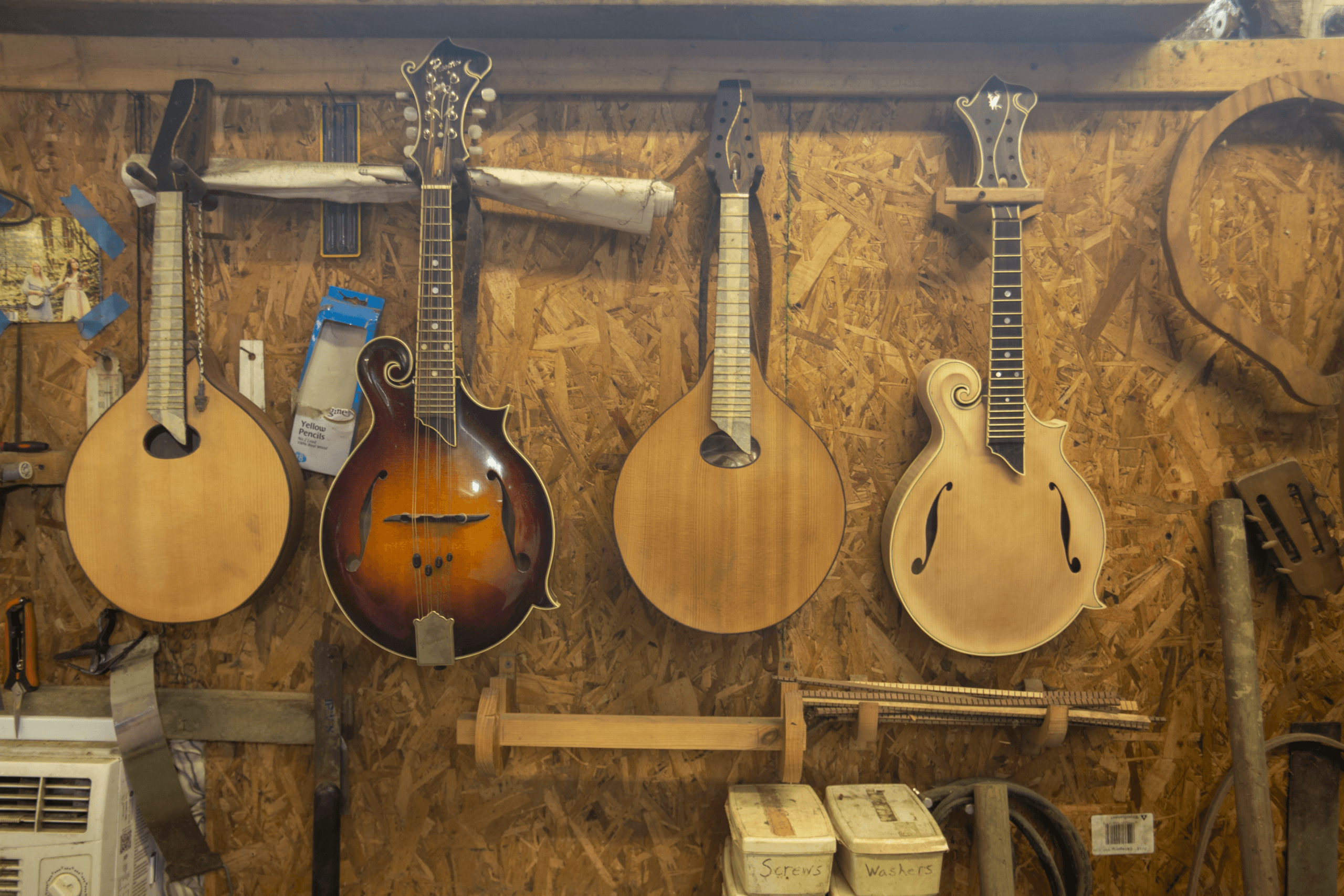
But even more than the practical craft of instrument-making, Jacob learned a lot about the kind of life he wants to live. “The experience of day-to-day life at my mandolin-maker’s farm made me truly appreciate folklife as a lifestyle that allows for the pursuit of crafts out of leisure and necessity,” Jacob explained. “I learned so much about mandolin-building, the tools, shop layout, desired wood, carving techniques, but I also learned so much about lifestyle choices and living in a way that’s dignified—to approach life not to climb a ladder but to have an enjoyable day-to-day existence where I can go through a day and be satisfied by the people and routines around me.”
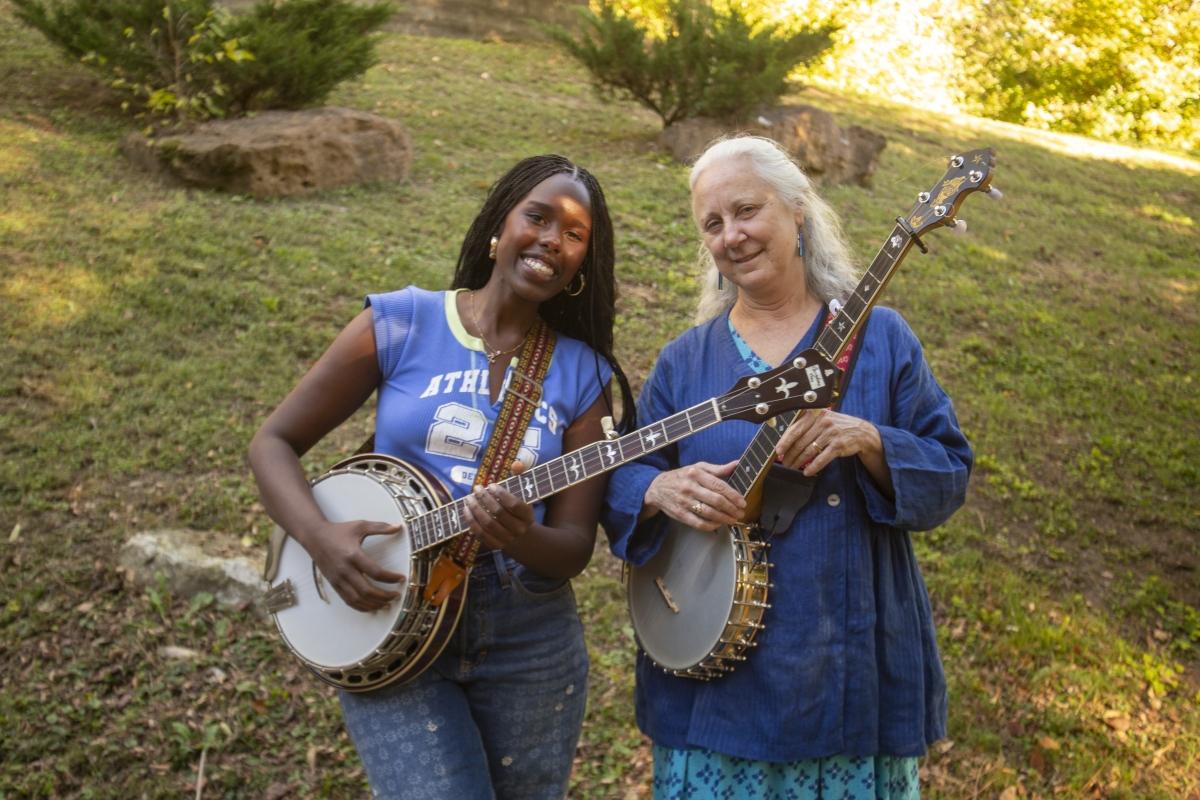
For Esther ’28, who apprenticed in banjo and contra dancing with instructor Deborah Thompson, one of the most important things she learned about was how music and dance bring people together. “Through community dance events, I’ve come to appreciate the importance of dance as a shared cultural experience,” she said. “These gatherings are not only fun, but also a living form of folk tradition that unites people of different backgrounds. Through dancing, I’ve learned about rhythm, cooperation, and how folk fosters relationships within a community.”
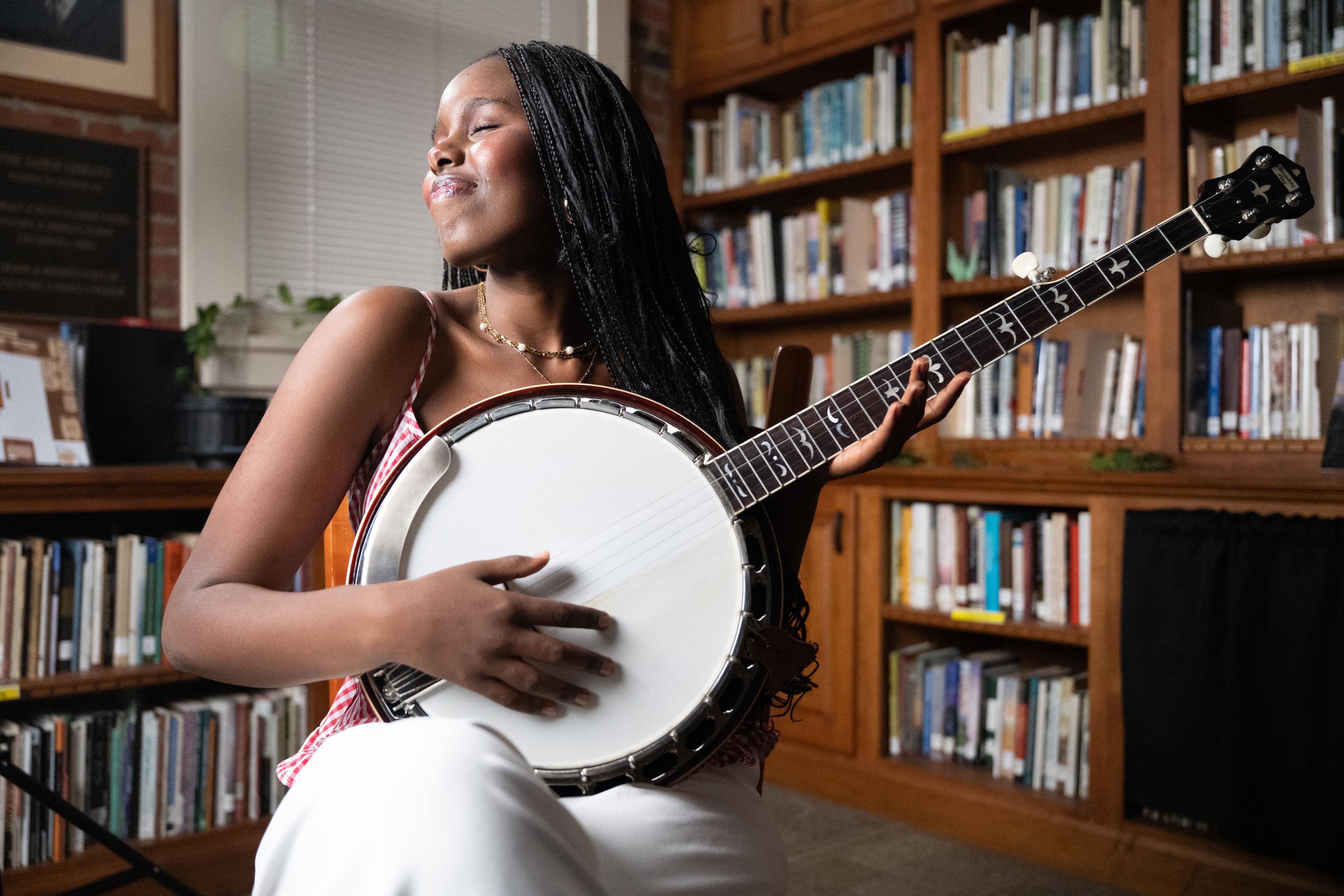
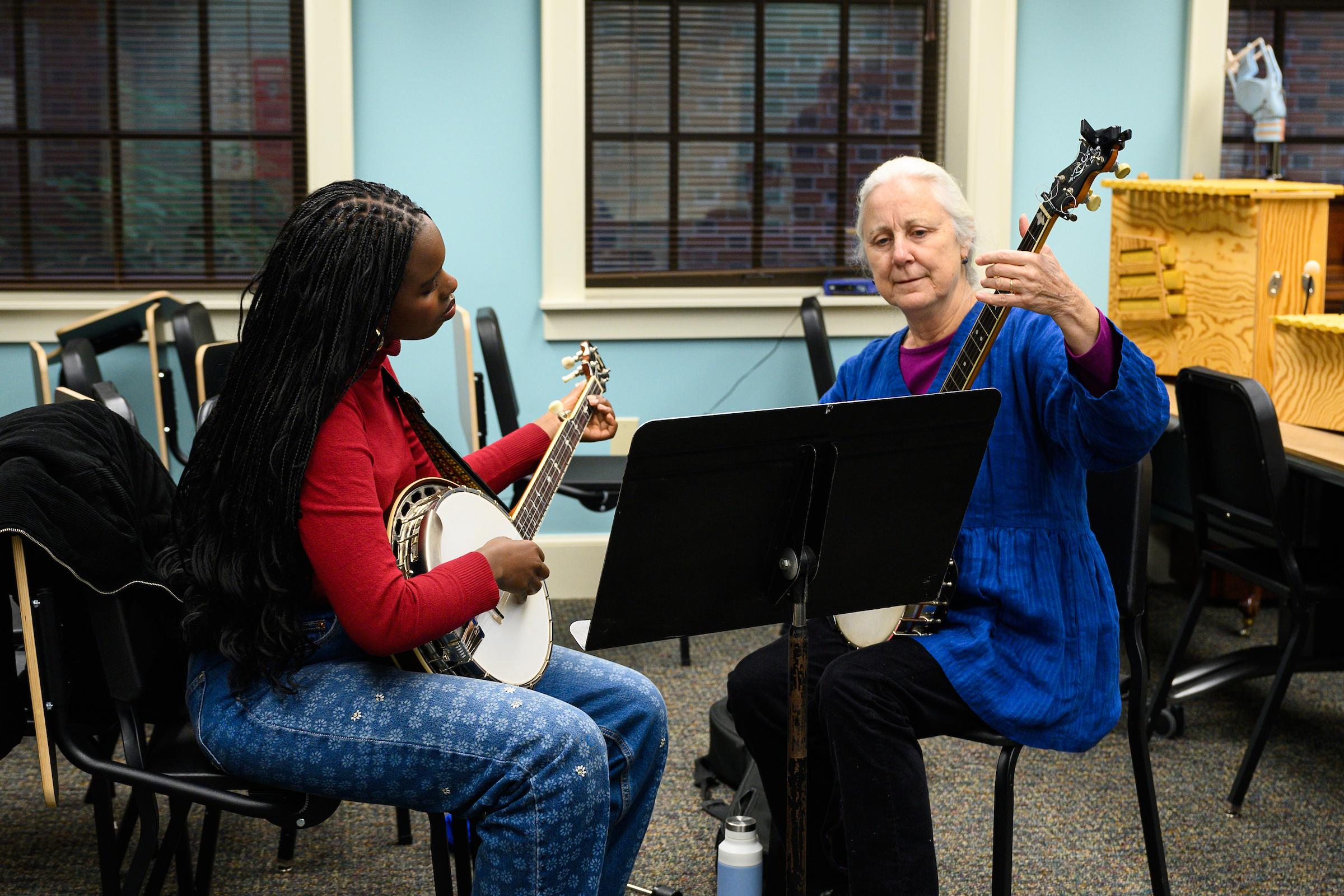
Another key lesson from Esther’s apprenticeship was that these Appalachian traditions are very much still alive and growing, not just historical reenactments. “When I learn banjo from Deborah or join a community dance, I’m not just copying the past, I’m taking part in a living chain of shared knowledge,” she explained. What Esther came to understand was that every note she plays and every step she dances not only keeps the tradition alive, but also carries it forward into the future—transformed by her own experience and interpretation. “Through this apprenticeship,” she added, “I’ve realized that tradition isn’t static; it’s alive because people continue to practice, adapt, and share it.”
Helping young people discover a love for Appalachia’s traditions, just like Esther, Jacob, and Michael have, is one of the most effective ways to guarantee that these folkways continue for years to come. Berea’s Folklife Apprenticeship Program helps do just that by deepening students’ connection with the College’s Appalachian commitment. “Berea is an amazing community. We have so many artists and tradition-bearers,” Hilliard reflected. “I hope that these traditions are sustained and passed on to the next generation.”