
Education Talent Search


What is Educational Talent Search?
Frequently Asked Questions
Students must be enrolled in 8th – 12th grade in one of the target schools served by ETS. Berea College ETS serves approximately 780 students in three counties including: Clay, McCreary, and Pulaski. Our counselors are located in Clay County High School, McCreary Central High School, Pulaski County High School, and Southwestern High School.
Members of ETS have access to their counselor in the target high school. They may meet in a groups or individually during the school year. Some of the topics that students in ETS learn about include:
- Pre-college Curriculum (classes to take in high school that prepare you for college)
- Career Exploration
- College Selection & Admissions
- ACT Preparation
- Financial Aid & Scholarships Workshops
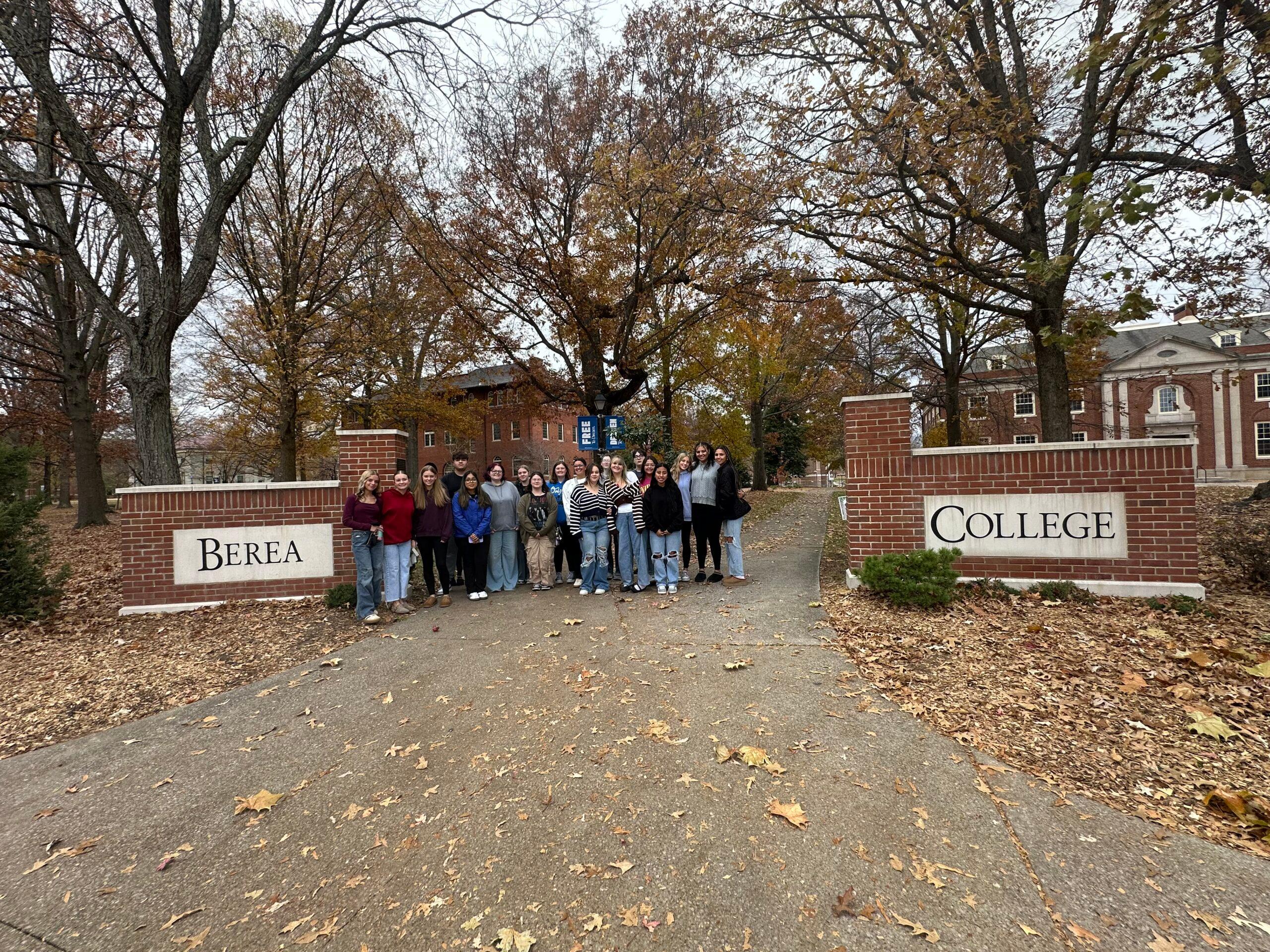
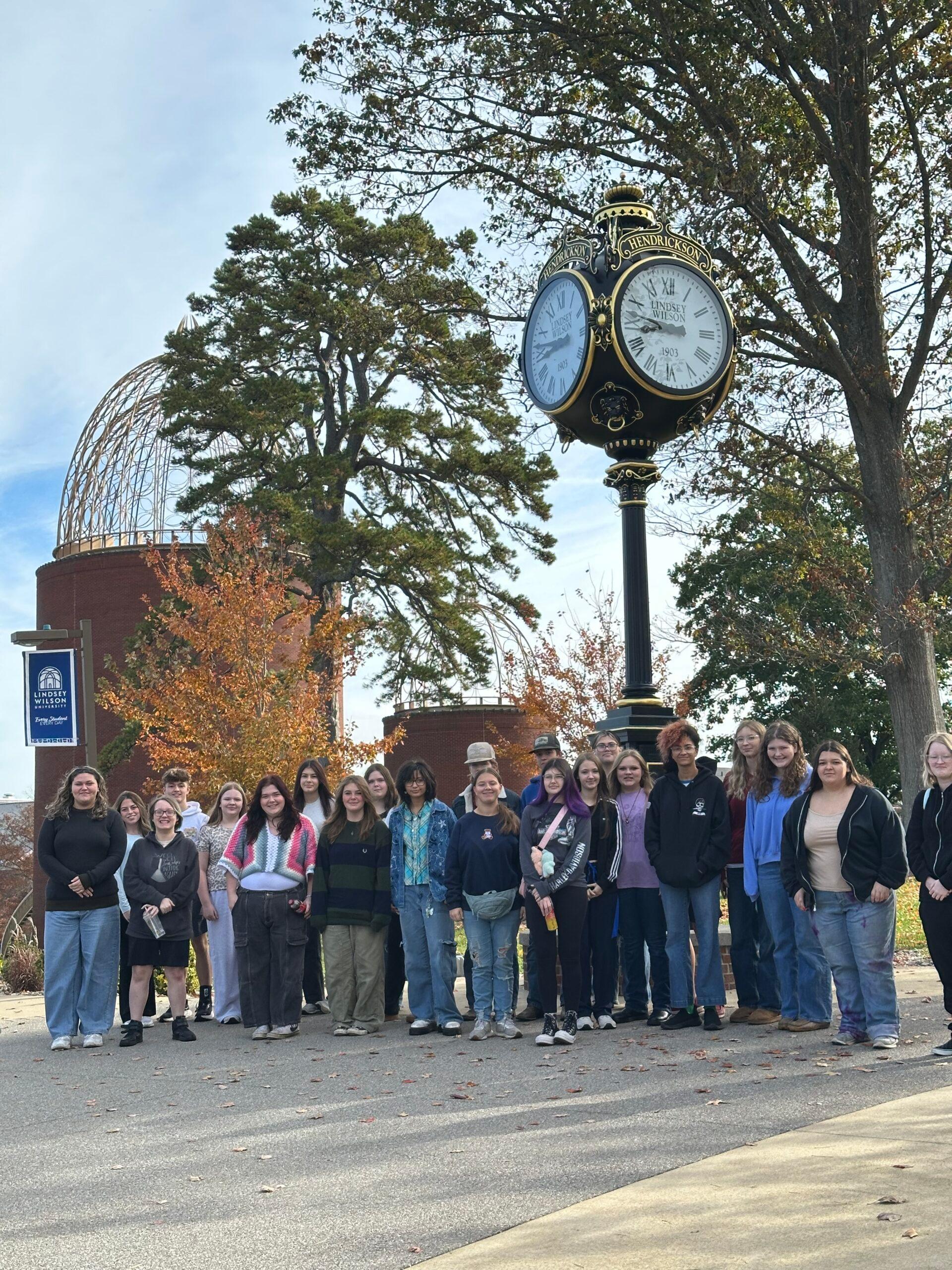
- College Tours
- Cultural Events
- Study Skills
- Time Management
- Budgeting
- Character Development
-
Special Events & Activities
-
Leadership Team
-
Volunteer Opportunities
No. Some of our students decide to attend Berea, but we do not recruit for the college. We encourage students to attend the college that best suits their needs and future plans.
There is never a cost to the student or the family for being in the Educational Talent Search program or participating in any ETS events.
Focus Areas
Visit the following websites to explore career options:
Visit the following websites to learn more about different study skills and tips:
- Contains a variety of study skills topics with printable versions to take on the go.
- Information from note taking and test taking tips for parents.
- From motivation to reading to remember, this site offers detailed articles for improving your academics.
- Strategies on study habits, test taking, note taking, time management and stress management.
Visit the following websites to learn more about tutoring:
- Volumes of video tutorials from linear algebra to ancient history.
- Provides access to sample questions.
- Offers free student resources that bring learning to life both inside and outside the classroom. Check out their interactive games, videos, contests, virtual labs and activities designed to help you dive deeper into a topic —and have fun too!
Carnegie Library Homework Help
- Get online with real tutors and browse through databases of information specifically for students.
- 100,000 professionally written problems and thousands of distinct practice tests across 150 subjects. This includes subjects like foreign languages, history, math, and science at all levels of sophistication. They also have practice tests and problems for common standardized tests like the ACT, SAT, GRE, GMAT, LSAT, MCAT, ISEE, and SSAT.
There are several types of scholarships you can apply for, below are a list of types of scholarships that are available.
Academic (Merit) scholarships
Most academic scholarships are awarded by individual colleges to students with high GPA typically above a 3.5 and/or high ACT/ SAT scores.
Athletic scholarships
To receive an athletic scholarship, athletes must meet NCAA or NAIA eligibility requirements. For more information, go to ncaa.org or playmynaia.org.
Talent scholarships
Scholarships in music, art, theater, and dance are commonly awarded by individual colleges. Portfolios or auditions are often required. Examples include band, choirs, dance team, forensic, etc.
Local scholarships
Local groups and organizations offer scholarships for students in their communities. These scholarships are usually small, but easier to get. Your guidance counselor should have a list of the scholarships available, be on the lookout!
Minority scholarships
Colleges offer these scholarships to encourage outstanding minority students to attend their college. Visit the college website you are interested in to learn more about these opportunities.
Tips for getting scholarship:
- Start early
- It takes a lot of time and effort to apply for scholarships. Give yourself plenty of time.
- Look for renewable scholarships
- A one-year scholarship is for one year only. A renewable scholarship can become a four-year scholarship.
- Be aware of deadlines
- Give guidance counselors and teachers plenty of time to prepare materials and write letters of recommendation.
- Be a stand out
- When awarding scholarships, colleges and organizations often look for students with a “hook” (something that makes them stand out). This could be special talent, noteworthy achievement, adversities you have faced, or unique characteristics. Write about the things that set you apart from the crowd.
- Tell everyone, including your counselor, family, and friends that you’re looking for scholarships and use your connections to learn about these opportunities.
AVOID SCHOLARSHIP SCAMS! YOU SHOULD NEVER HAVE TO PAY TO APPLY FOR A SCHOLARSHIP.
Visit the following websites to learn more about scholarships and financial aid:
- College Board
- Scholarship Experts
- College View
- Fast Web
- Find Tuition
- Military Scholarships
- Scholarships
- KHEAA (Kentucky Scholarships)
Financial aid is money that is given, earned, or lent to help students pay for their education. Financial aid makes it possible for millions of students to go to college.
There are four types of financial aid:
Grants
Grants are funds given, usually because of financial need. Grants do not have to be repaid. The Pell Grant provides billions of dollars each year to income-eligible families. When students and parents submit a Free Application for Federal Student Aid (FAFSA), they automatically apply for a Pell Grant.
Scholarships
Scholarships are generally awarded for exceptional academic achievement or outstanding talent. Scholarships do not need to be repaid.
Loans
Loans are funds borrowed from a lender, such as the government or a bank. Loans must be paid back. Over half of the financial aid awarded is in the form of a loan.
Work study
Work study programs provide students who have financial need with part time jobs to help fund their education.
It’s important to know that financial aid is awarded in form of packages that will vary from college to college. When choosing your college, compare your financial aid packages carefully.
Lets talk about loans!
Families who need additional funds to cover college cost often take out a loan. Student loans have varying requirements, interest rates, and repayment schedules. It is therefore important to learn all you can about your college loan options.
Direct loans
College students are eligible for federal direct loans. First year students can borrow up to $5,500 a year. Second year students can borrow up to $6,500 a year. Repayment doesn’t begin until six months after the student has left college. Direct loans are either subsidized or unsubsidized.
Direct subsidized loans are available for students with financial need. Direct unsubsidized loans are available to students without financial need. A direct subsidized loan is preferable because the government pays the interest on the loan while the student is in college.
Plus loans
Plus loans are available to parents with good credit. Students can apply for a plus loan for the total amount of attendance, minus any financial aid the students have received. A college financial aid office can provide instructions on applying for a plus loan.
Private loans
Private loans are available through banks and other lending services. Private loans typically have a higher interest rate than loans from the federal government. Families should exhaust their federal loans options before ever considering a private loan.
When a student graduates or withdraws from college, that student must repay any loans they have taken out. Depending on the type of loan that you took out, there are certain limits and criteria that you must go through for repayment options.
Below are links to financial literacy websites for students and families:
360 Degrees of Financial Literacy
- Personal finance through every stage of life.
National Financial Educators Council
- Three prime topics for college financial literacy programs
- NPR programs on financing for young adults.
Visit the following websites to learn more about budgeting:
- Money management information and tools.
- Finance Fitness Program offers information on how to manage income, handle a budget and achieve financial goals.
- Tools to keep you on track and focused for managing your money and getting out of debt.
- Free online classes and tools to help you set a budget and stick to it.
- A financial tool that pulls all your financial information into one place to help you save, invest, and budget wisely.
College Planning
Kentucky Secondary Education Institutions